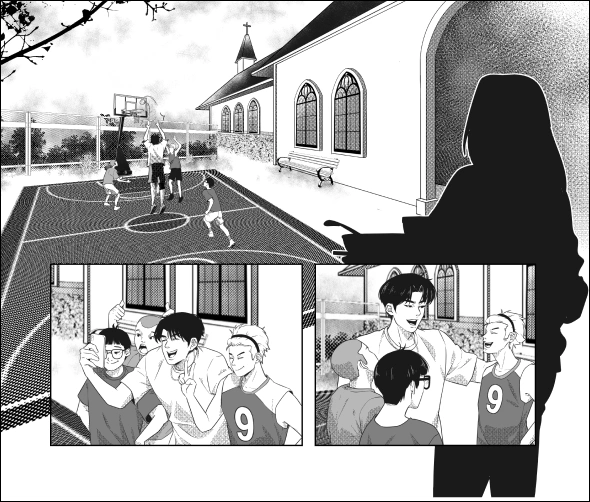
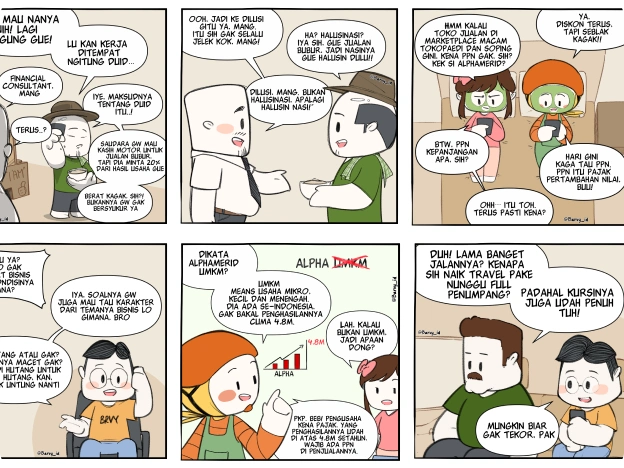
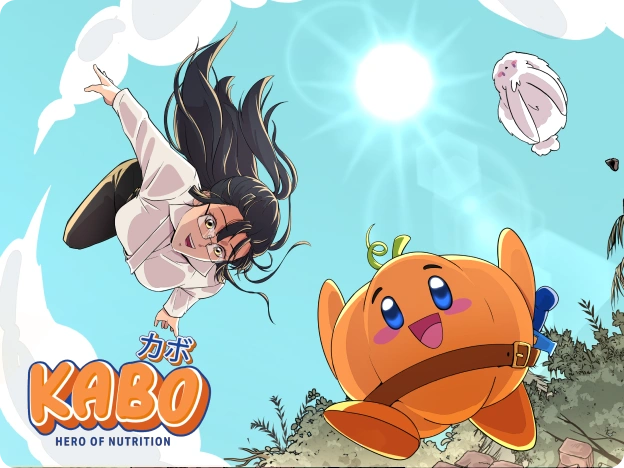
Our studio has brought authors' stories to life through dynamic manga-style comic projects.
Our studio specializes in bringing authors' ideas to life through dynamic manga-style comic projects. We work closely with creators to transform their unique concepts into visually compelling stories, capturing the essence of their vision while infusing it with our artistic flair. Whether it's a thrilling adventure or an emotional journey, we ensure that every page is filled with energy, depth, and character, creating a manga experience that resonates with readers and stays true to the original creative spirit.
What actually makes Manga special?
ts ability to blend captivating storytelling with unique, expressive artwork. Unlike traditional comics, manga often offers deeper emotional connections and more intricate character development, all while using a distinctive visual style that captures both subtle and dramatic moments.
The pacing, panel layouts, and use of black-and-white art allow for greater focus on mood and atmosphere, creating a more immersive experience for readers. Manga’s versatility and ability to tackle a wide range of genres—from action to romance to fantasy—make it a powerful storytelling medium that resonates across cultures.
Our workflow of manga creation involves several key stages, each crucial to bringing the story to life visually.
Manga stands out from other forms of comics through its unique toning and inking techniques, which are essential in creating its distinctive style and atmosphere. Here are the key points that make manga different in these areas:
-
 Comic Script ⎯ we start by developing the story from scratch, working closely with
our clients to shape a unique narrative that resonates with their vision. We focus on
crafting compelling characters, intriguing plots, and meaningful themes that capture the
audience's attention from the very first page.
Comic Script ⎯ we start by developing the story from scratch, working closely with
our clients to shape a unique narrative that resonates with their vision. We focus on
crafting compelling characters, intriguing plots, and meaningful themes that capture the
audience's attention from the very first page.
-
Black-and-White Art Style ⎯ unlike many Western comics that often use color, manga is
typically in black and white. This reliance on monochrome art forces artists to be more
creative with inking and toning to convey depth, emotion, and texture. The absence of color
highlights the power of shading and line work to create mood, contrast, and dimension.
-
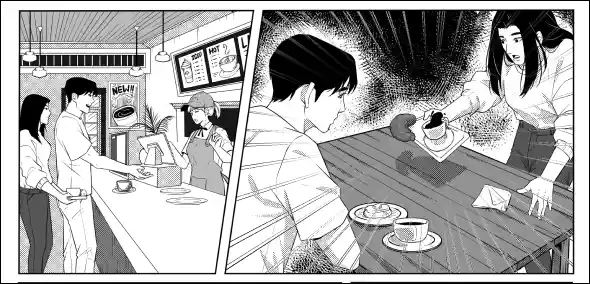
Dynamic Movement and Action ⎯ manga artists use motion lines and dramatic inking
techniques to convey action and movement, especially in fast-paced scenes. These lines are
drawn quickly and often follow the flow of a character’s movement to make the action feel
more dynamic. In combination with toning, these techniques allow manga to communicate a
sense of speed, urgency, and impact in ways that other comics may not.
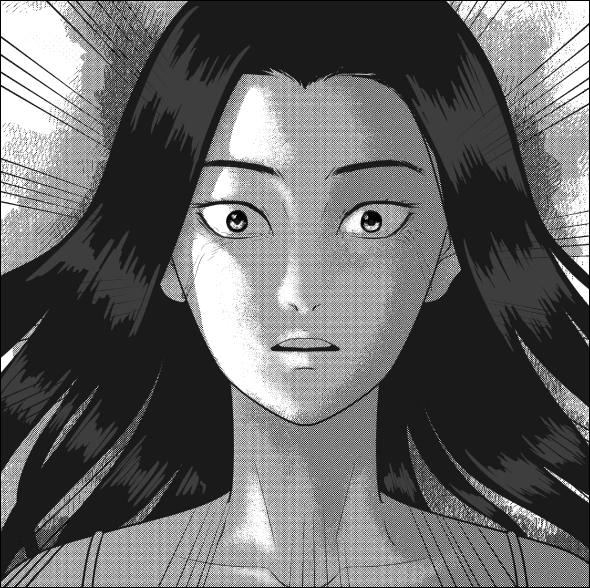
Use of Screen Tones
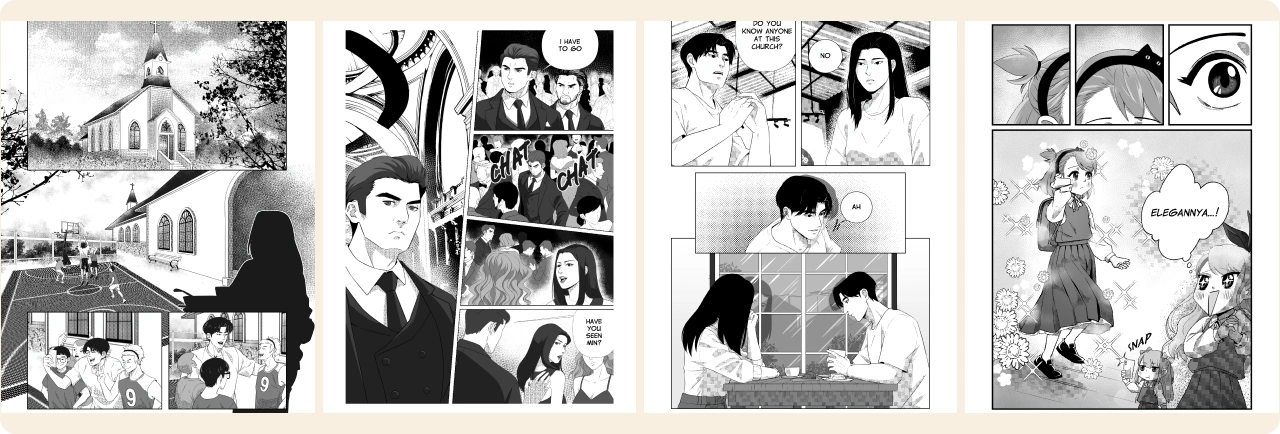
One of the standout features of manga is the use of screen tones (or halftones). These are pre-printed sheets with patterns like dots, lines, or textures that artists apply to their work to add shading and texture. Screen tones make it easy to create detailed effects like shadows, gradients, and textures, all while giving manga its iconic look. They can range from subtle gray tones to bold black areas, adding depth and making the visuals pop.
Expressive Inking Techniques
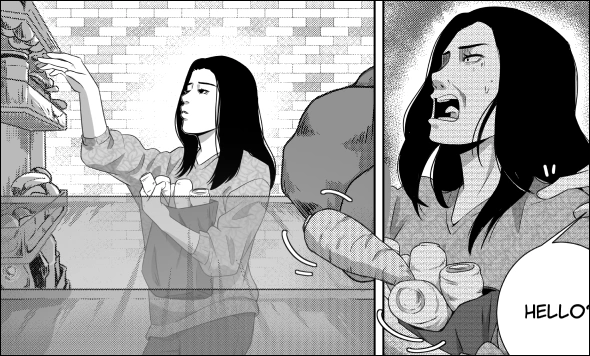
Manga inking tends to be more fluid and expressive compared to the clean, controlled lines often seen in Western comics. Manga artists love using bold, dynamic strokes to create strong contrasts and emphasize movement. The mix of thick and thin lines adds emotion—thicker lines bring intensity or power, while finer lines are perfect for softer, more delicate moments.
Shading and Contrast
Toning and shading aren’t just about adding depth—they’re also great for setting the mood in a story. By playing around with how intense the black ink is or how screen tones are used, manga artists can create strong contrasts, like deep shadows or soft, light areas, to show changes in mood, action, or emotion. For example, dark shading works perfectly for tense or dramatic moments, while lighter tones give off a calm and peaceful vibe.
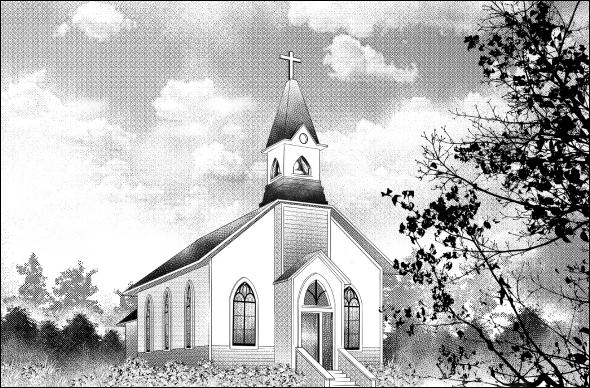
Minimalist Yet Detailed Background
The backgrounds in manga are often simpler compared to other comics, which lets the characters and their expressions really stand out. But toning still plays a big role in setting the mood—whether it’s through soft, light gradients or darker, textured areas. This simple yet effective approach to background toning creates a nice balance and keeps the focus on the story and character development.
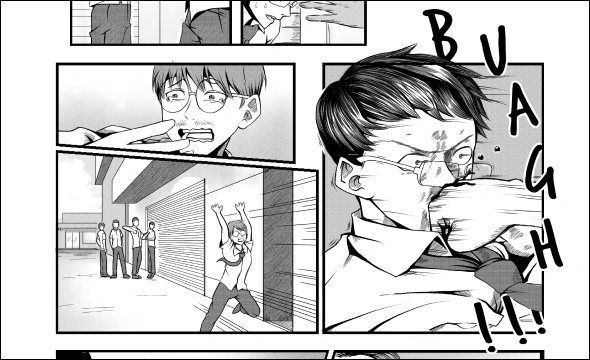
Iconic Sound Effect (Onomatopoeia)
Sound effects, often written in Japanese kanji, are seamlessly blended into the artwork using bold, expressive fonts and unique inking techniques. Instead of just being added as text, they’re drawn right into the scene, becoming part of the art itself. The inking and toning help these sounds feel like a natural part of the story, giving key moments an extra punch.
Layered Visual Storytelling
The mix of inking, toning, and panel composition in manga creates a rich, layered way of telling a story. By balancing light and dark areas and using screen tones and ink to set the pacing, artists can guide the reader's eye across the page and control the flow of the narrative. These techniques can turn even a simple scene into something tense, calm, or dramatic—all without relying on too much dialogue.